polycystic ovary syndrome
Polycystic ovary syndrome (PCOS) is a common hormonal condition that affects ovulation, menstrual cycles, fertility, and metabolism, It may develop when hormonal and metabolic factors interfere with normal ovarian function.
About polycystic ovary syndrome
Polycystic ovary syndrome (PCOS) is a common hormonal condition that can affect ovulation, menstrual cycles, fertility, skin, hair growth, and metabolism. It may develop when hormonal and metabolic factors interfere with normal ovarian function.
Common polycystic ovary syndrome symptoms include irregular periods, acne, excess facial or body hair, difficulty conceiving, and weight changes. Not every woman with PCOS experiences the same symptoms, and having ovarian cysts is not required for diagnosis.
Early evaluation can help identify hormonal or metabolic concerns, rule out other conditions, and guide a personalized treatment plan. At University Hospital Sharjah, our Obstetrics & Gynecology team provides specialist assessment, diagnostic testing, fertility support, and individualized PCOS care.
Symptoms & Related Concerns

Irregular Periods
Periods may be infrequent, unpredictable, very heavy, or absent.

Persistent Acne
Polycystic ovary syndrome acne may be persistent or continue beyond adolescence.

Excess Hair Growth
Increased hair may develop on the face, chest, abdomen, or other areas.

Weight Changes
Some women experience weight gain or greater difficulty managing their weight.

Difficulty Conceiving
Irregular or absent ovulation can make pregnancy more difficult.

Thinning Scalp Hair
Higher androgen activity may contribute to hair thinning in some women.
When to Consult a Doctor
Consider seeing an obstetrician or gynecologist if:
Causes & Risk Factors
PRIMARY CAUSES
- Hormonal imbalance
- Higher androgen activity
- Insulin resistance
- Genetic factors
- Differences in ovarian function
- Metabolic factors
RISK FACTORS
- Family history of PCOS
- Family history of type 2 diabetes
- Insulin resistance
- Excess weight or obesity
- Metabolic abnormalities
- Previous menstrual irregularities
Diagnosis & Assessment
Gynecology Consultation
Review of menstrual cycles, symptoms, fertility history, weight changes, medications, and family history.
Physical Examination
Assessment may include blood pressure, weight, skin changes, acne, excess hair growth, scalp hair thinning, and other signs of hormonal imbalance.
Hormonal & Metabolic
Testing Blood tests may be used to assess androgen levels and exclude other hormonal conditions. Testing may also include blood glucose, cholesterol, thyroid function, and other investigations when appropriate.
Pelvic Ultrasound
Ultrasound may be used to assess the ovaries and uterine lining. However, an ultrasound showing polycystic ovaries is not required in every patient to diagnose PCOS. There is no single test for PCOS. Diagnosis is based on the overall clinical picture while ruling out other conditions that may cause similar symptoms.
Treatment & Care Options
Menstrual Cycle Management
Hormonal treatment may be recommended for women who are not currently trying to conceive to help regulate irregular periods and protect the uterine lining.
Acne & Excess Hair Management
Treatment may include hormonal therapy, dermatologic care, or selected medications to help reduce polycystic ovary syndrome acne and unwanted hair growth.
Lifestyle & Metabolic Management
A balanced diet, appropriate physical activity, and weight management may help improve menstrual regularity, insulin sensitivity, and some PCOS symptoms, especially when excess weight is present.
Insulin-Sensitizing Medication
Selected patients may benefit from medications such as metformin when insulin resistance, metabolic concerns, or other clinical indications are present.
Fertility Treatment
For women planning pregnancy, treatment may focus on restoring or stimulating ovulation. Fertility medications, specialist reproductive care, IUI, or IVF may be considered depending on the individual situation.
Treatment is tailored to each woman’s symptoms, reproductive goals, metabolic health, and long-term risks. PCOS currently has no permanent cure, but its symptoms and associated health risks can often be effectively managed.
UHS Approach
At University Hospital Sharjah, our Obstetrics & Gynecology team provides personalized PCOS care supported by specialist assessment, advanced diagnostics, fertility support, and coordinated hormonal and reproductive care.
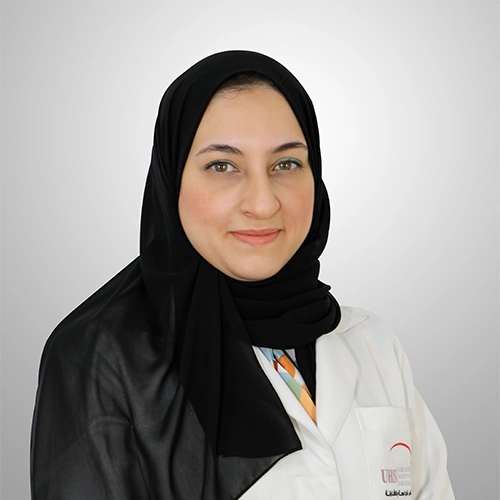
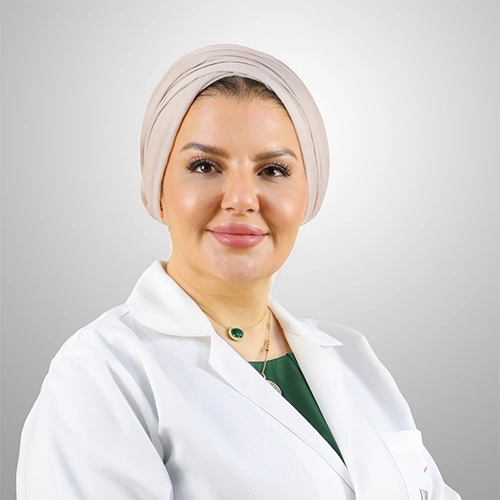
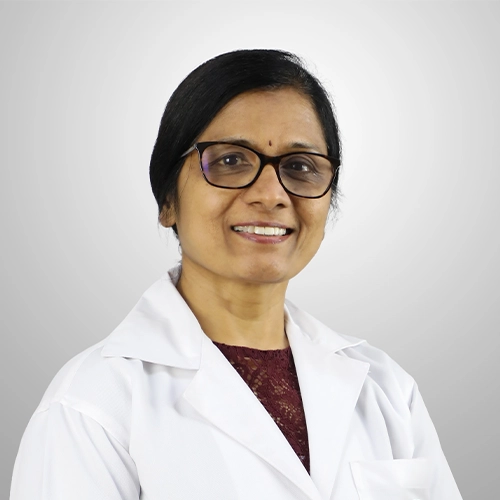
Related Doctors

Related Services / Conditions
Frequently Asked Questions
How do I know if I have PCOS?
However, these symptoms can also occur with other hormonal conditions. PCOS cannot be confirmed by symptoms alone, and there is no single diagnostic test. A gynecologist may use your medical history, examination, blood tests, and sometimes ultrasound to determine whether PCOS is present.
How to cure PCOS permanently?
The treatment plan may include lifestyle changes, hormonal medication, insulin-sensitizing treatment, acne or hair-growth management, or fertility treatment depending on your needs.
Can I get pregnant with PCOS?
PCOS may make conception more difficult because ovulation can be irregular or absent, but treatments are available to help stimulate ovulation and improve fertility. Some women may conceive with lifestyle and medication support, while others may benefit from fertility treatments such as IUI or IVF.
Does PCOS cause acne?
Treatment depends on the severity of the acne, other PCOS symptoms, and whether the patient is planning pregnancy. Hormonal treatments may help reduce acne in suitable patients.
Ready to take the next step?
Persistent irregular periods, acne, excess hair growth, difficulty conceiving, or other hormonal symptoms should be evaluated rather than ignored. Book an appointment with the Obstetrics & Gynecology team at University Hospital Sharjah for a personalized PCOS assessment and treatment plan.