Vascular and Endovascular Surgery
21 Oct 2026
Symptoms of Blocked Arteries in Legs: Signs, Causes, and When to Seek Medical Care
Reviewed by

Dr. Hamad Al Shbeeb
Specialist Vascular Surgeon
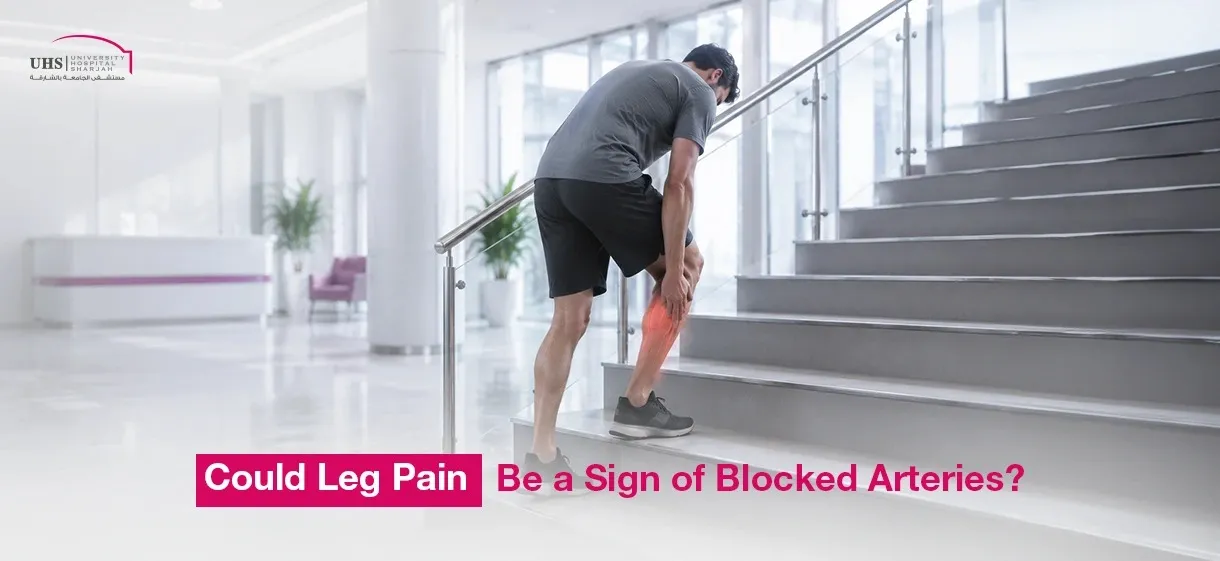
Blocked or narrowed arteries in the legs can reduce the amount of oxygen-rich blood reaching the muscles, skin, and feet. This problem is commonly associated with peripheral artery disease (PAD), a vascular condition in which fatty deposits build up inside the arteries and restrict blood flow.
The symptoms of blocked arteries in legs can vary significantly. Some people have no noticeable symptoms at first, while others develop leg pain when walking, coldness in the feet, numbness, a weak pulse, skin color changes, or non-healing wounds. A typical PAD symptom is muscle pain or cramping during activity that improves after resting.
Recognizing these signs is important because PAD is not only a problem affecting the legs. It is usually related to atherosclerosis and can indicate increased cardiovascular risk elsewhere in the body.
What Are Blocked Arteries in Legs?
Blocked arteries in the legs usually refer to arteries that have become significantly narrowed or obstructed, reducing blood flow to the lower limbs.
One of the most common underlying conditions is peripheral artery disease, or PAD. In PAD, atherosclerotic plaque builds up inside the artery walls. As the artery becomes narrower, it becomes more difficult for enough blood to reach the leg muscles during activity.
Not every narrowed artery is completely blocked, and symptoms do not always reflect the exact severity of disease. Some patients with PAD experience classic symptoms, while others have mild, unusual, or no symptoms at all.
How Narrowed Arteries Restrict Blood Flow to the Feet
The arteries transport oxygen-rich blood from the heart to the tissues of the body. When an artery supplying the leg becomes narrowed, the amount of blood that can pass through it decreases.
During rest, mildly or moderately narrowed arteries may still provide enough blood for the tissues. During walking or exercise, however, the muscles require more oxygen. If the arteries cannot increase blood flow sufficiently, pain, aching, heaviness, or cramping may develop.
As disease becomes more advanced, blood flow may become insufficient even while the patient is resting. This can contribute to:
Persistent foot or toe pain
Cold feet
Numbness or weakness
Pale, blue, or otherwise abnormal skin color
Non-healing wounds
Tissue damage in severe cases
Severe PAD may therefore threaten both mobility and tissue health.
What Are the Symptoms of Blocked Arteries in Legs?
The symptoms of blocked arteries in legs depend on how much blood flow has been reduced and which arteries are affected.
Possible PAD symptoms include:
Pain, cramping, aching, or heaviness in the calf, thigh, hip, buttock, or foot during walking
Pain that improves after stopping to rest
Weakness or numbness in the leg or foot
One foot feeling colder than the other
A weak pulse in the foot
Pale, bluish, or discolored skin
Reduced hair growth on the legs or feet
Changes in the toenails
Non-healing wounds on the toes, feet, or legs
Pain in the feet or toes while resting in more advanced disease
The most recognizable symptom is intermittent claudication,pain or discomfort that develops with physical activity and improves after a short period of rest. However, many people with PAD do not experience this classic pattern.
Leg Pain When Walking: When Is It an Artery Problem?
Leg pain when walking can have many causes, including muscle strain, joint disease, nerve compression, and vascular problems.
Pain is more suggestive of an arterial circulation problem when it:
Begins predictably after walking a certain distance
Feels like aching, cramping, fatigue, or heaviness
Usually affects a muscle group such as the calf
Improves within several minutes of resting
Returns when walking resumes
This pattern is known as intermittent claudication and is commonly associated with PAD.
Pain alone cannot confirm blocked arteries. A medical evaluation is needed because orthopedic, neurological, and vascular conditions may cause similar symptoms.
Advanced Symptoms of Blocked Arteries in Legs at Rest
As arterial disease progresses, blood flow may become inadequate even when the muscles are not active.
Advanced symptoms may include:
Persistent pain in the foot or toes while resting
Pain that becomes worse at night
Significant coldness in one foot
Numbness or weakness
Marked color changes
Ulcers or sores that do not heal
Infection of a persistent wound
Blackened or dead tissue in severe cases
Rest pain and non-healing wounds can be signs of severe limb ischemia and require prompt vascular assessment.
Causes and Risk Factors of Blocked Arteries in Legs
The most common underlying cause of blocked arteries in the legs is atherosclerosis.
Atherosclerosis occurs when cholesterol, fat, and other substances accumulate within arterial walls, gradually forming plaque and narrowing the space through which blood flows. PAD develops when this process affects arteries supplying the limbs.
Several medical conditions and lifestyle factors can increase the likelihood of developing arterial disease.
Chronic Conditions and Their Impact on Vascular Health
Certain long-term medical conditions can damage blood vessels or accelerate atherosclerosis.
Important risk factors include:
Diabetes
High blood pressure
High cholesterol
Chronic kidney disease
Established heart or cardiovascular disease
A history of atherosclerosis in other arteries
Diabetes is particularly important because it increases cardiovascular risk and can occur alongside nerve damage, which may make foot problems harder to detect.
PAD may also coexist with coronary artery disease or cerebrovascular disease because atherosclerosis can affect arteries throughout the body.
Daily Habits That Increase the Risk
Lifestyle-related risk factors include:
Smoking
Physical inactivity
An unhealthy diet
Excess body weight
Poor management of diabetes, cholesterol, or blood pressure
Smoking is one of the major modifiable risk factors for PAD. High blood pressure, diabetes, high cholesterol, atherosclerosis, and increasing age also significantly increase risk.
Improving these factors can support vascular health and reduce the likelihood of further disease progression.
Complications of Ignoring Symptoms of Blocked Arteries in Legs
Untreated or progressive arterial disease can lead to increasingly restricted blood flow.
Potential complications include:
Reduced walking ability
Persistent leg pain
Pain at rest
Chronic foot ulcers
Recurrent wound infections
Non-healing wounds
Tissue damage
Gangrene
Limb loss in advanced cases
PAD is also important because it reflects atherosclerotic disease. People with PAD have increased cardiovascular risk, including heart attack and stroke. Treatment therefore aims not only to improve leg symptoms but also to reduce major cardiovascular complications and the risk of limb loss.
Ignoring worsening symptoms such as rest pain or foot wounds can delay treatment when circulation has become severely reduced.
How Are Blocked Arteries in Legs Diagnosed?
Diagnosis usually begins with a medical history and physical examination.
A healthcare professional may ask about:
Pain during walking
How far you can walk before symptoms begin
Whether the pain improves with rest
Coldness or numbness
Foot wounds
Smoking history
Diabetes
High blood pressure
High cholesterol
Kidney disease
Heart or vascular disease
Family history of vascular disease
During examination, the clinician may inspect the skin and feet and assess pulses in the legs. A very weak or absent pulse may suggest reduced arterial blood flow. Other findings may include shiny skin, reduced leg hair, brittle toenails, or leg ulcers.
Common Medical Tests and Diagnostic Imaging
Several tests can help determine whether arterial narrowing is present and how severe it may be.
Ankle-Brachial Index
The ankle-brachial index, or ABI, compares blood pressure measured at the ankle with blood pressure measured in the arm.
A lower pressure in the ankle may indicate reduced arterial blood flow and can support a diagnosis of PAD.
Doppler or Duplex Ultrasound
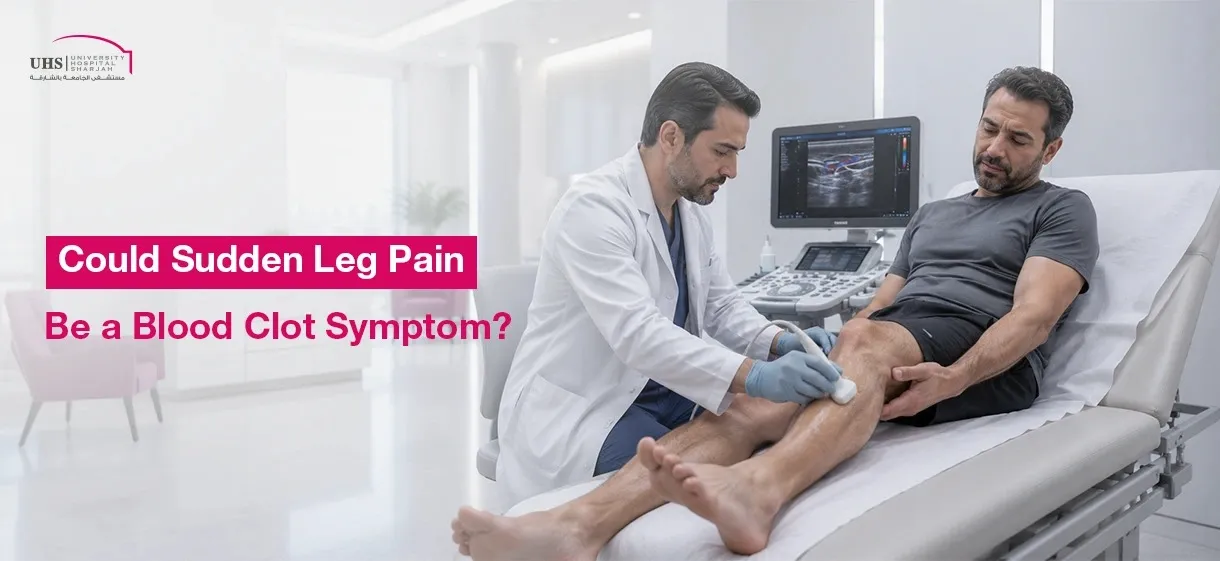
Ultrasound can assess the direction and speed of blood flow and help identify narrowed or blocked arteries.
Exercise Testing
In selected patients whose symptoms occur during walking but whose resting measurements are unclear, vascular testing may be repeated after exercise.
CT or MR Angiography
Detailed vascular imaging may be used when more precise information about arterial anatomy is required, particularly if a vascular procedure is being considered.
Catheter Angiography
In selected cases, angiography may provide detailed information about narrowed arteries and can sometimes be performed as part of an interventional procedure.
Not every patient requires every test. The appropriate investigations depend on symptoms, physical findings, and the likelihood of significant arterial disease.
When to Seek Urgent Medical Evaluation
Symptoms that develop gradually can usually be assessed through a scheduled medical appointment. Sudden circulation changes, however, may represent an emergency.
Urgent assessment is particularly important when the leg or foot suddenly becomes:
Severely painful
Cold
Pale or blue
Numb
Weak
Difficult or impossible to move
These symptoms may indicate acute limb ischemia, in which blood supply to the limb becomes suddenly and severely restricted.
Warning Symptoms Requiring Immediate Vascular Care
Seek immediate medical attention if you develop:
Sudden severe leg or foot pain
Sudden coldness of one leg or foot
Rapid loss of sensation
Sudden weakness or inability to move the limb normally
Significant pale, blue, or dark color change
A rapidly worsening foot wound
Blackening of the skin or toes
Severe rest pain associated with tissue changes
A sudden reduction in blood supply can threaten the tissues of the limb and requires urgent evaluation.
Persistent wounds, progressive rest pain, or signs of advanced ischemia should also be assessed promptly rather than managed at home.
Care and Treatment Options for Blocked Arteries in Legs
Management depends on the severity of PAD, the patient’s symptoms, overall cardiovascular health, and whether there is a threat to the limb.
The goals of care generally include reducing cardiovascular risk, controlling symptoms, improving walking ability and quality of life, and reducing the risk of limb loss.
Lifestyle Changes and Dietary Adjustments
Lifestyle measures can form an important part of PAD management.
They may include:
Stopping smoking
Following a balanced, heart-healthy diet
Maintaining a healthy weight
Managing diabetes carefully
Controlling blood pressure
Managing cholesterol
Participating in an appropriate exercise program
Inspecting the feet regularly if circulation is reduced
Structured walking programs can improve walking performance in many people with intermittent claudication. Current vascular guidance continues to emphasize supervised or structured exercise as an important component of PAD management.
Exercise recommendations should be individualized, particularly in patients with rest pain, ulcers, severe disease, or other medical conditions.
Medical Therapy and Surgical Interventions
Medical treatment may be prescribed to reduce cardiovascular risk and improve outcomes. Depending on the patient's condition, this may include medicines to manage cholesterol, blood pressure, diabetes, or clotting risk.
When PAD causes significant symptoms or severe reduction in circulation, procedures may be considered.
Options can include:
Balloon angioplasty
Stent placement
Atherectomy in selected cases
Surgical bypass
The choice depends on the location and extent of arterial disease, severity of symptoms, overall health, and whether circulation is threatening the limb.
Not everyone with PAD requires an intervention, and treatment should be determined after vascular assessment.
How to Prevent Blocked Arteries in Legs
Not every case can be prevented, especially when age, genetics, or existing medical conditions contribute to atherosclerosis. However, many important risk factors are modifiable.
Steps that support arterial health include:
Avoiding smoking
Exercising regularly
Maintaining a healthy weight
Eating a balanced diet
Managing blood pressure
Controlling cholesterol
Managing diabetes
Attending regular medical follow-up when cardiovascular risk is high
Checking the feet regularly if diabetes or PAD is present
Stopping smoking, maintaining physical activity, following a healthy diet, and controlling cholesterol can all help reduce atherosclerotic risk.
For people already diagnosed with PAD, prevention also means slowing disease progression and reducing the risk of cardiovascular and limb-related complications.
Recognizing the Symptoms of Blocked Arteries in Legs
The symptoms of blocked arteries in legs can range from leg pain when walking and cold feet to weak pulses, skin changes, rest pain, and non-healing wounds. Because some people with peripheral artery disease have few or no symptoms, individual cardiovascular risk factors are also important.
Persistent signs of poor circulation in legs should not automatically be attributed to aging, muscle strain, or inactivity. A vascular assessment can help determine whether arterial disease is present and whether further monitoring or treatment is required.
Book a vascular assessment to evaluate your symptoms and lower-limb circulation.
Frequently Asked Questions
First Sign of Blocked Leg Arteries?
One of the most typical early symptoms of blocked arteries in legs is aching, cramping, heaviness, or fatigue in a leg muscle during walking that improves after resting.
This is known as intermittent claudication. However, many people with PAD experience atypical symptoms or no noticeable symptoms at all.
Other possible early signs include cold feet, reduced pulses, numbness, or slower wound healing.
When Are Blocked Leg Arteries Dangerous?
Blocked or severely narrowed arteries become particularly concerning when circulation is no longer sufficient to maintain healthy tissue.
Warning signs include:
Pain while resting
Persistent foot ulcers
Non-healing wounds
Significant color changes
Severe coldness or numbness
Infection
Tissue damage or gangrene
Sudden severe pain, coldness, numbness, weakness, or discoloration may represent an acute vascular emergency and needs immediate assessment.
Does Walking Help Leg Artery Pain?
Walking can help many people with stable PAD and intermittent claudication. Structured exercise programs can improve walking capacity and symptoms over time.
However, walking is not appropriate as a substitute for medical assessment when someone has severe rest pain, non-healing ulcers, gangrene, or sudden changes in circulation.
Patients with significant symptoms should first discuss an appropriate exercise plan with their healthcare provider.
Blocked Arteries vs. Varicose Veins?
Blocked arteries and varicose veins affect different parts of the circulation.
Blocked arteries involve reduced blood flow from the heart toward the legs and feet. Symptoms may include walking-related pain, cold feet, weak pulses, color changes, and non-healing wounds.
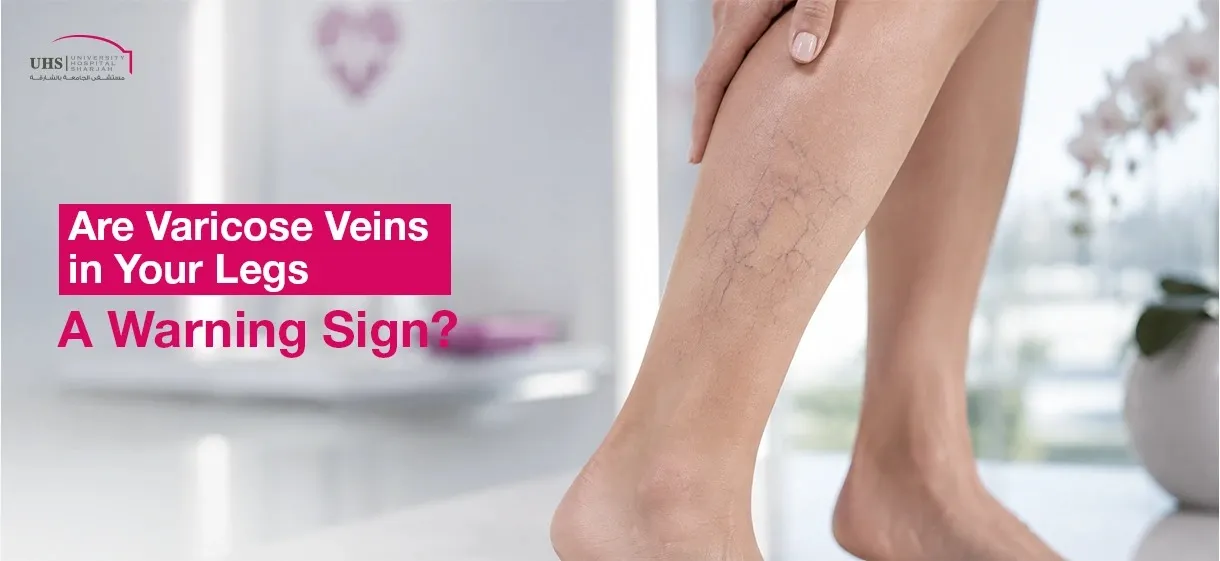
Varicose veins involve the venous system, which returns blood from the legs back toward the heart. They commonly appear as enlarged, twisted veins and may cause aching, heaviness, swelling, or itching.
A person can have both arterial and venous disease, so persistent leg symptoms should be medically assessed rather than diagnosed based on appearance alone.
Symptoms of Blocked Arteries in Children?
Atherosclerotic PAD,the common cause of blocked leg arteries in adults,is uncommon in children.
When a child develops unusual leg pain, coldness, abnormal pulses, discoloration, persistent wounds, or other signs suggesting reduced blood flow, possible causes may be very different from those seen in adults. Congenital vascular abnormalities, inflammation, injury, clotting disorders, and other uncommon vascular conditions may need to be considered.
Children with persistent or sudden circulation-related symptoms should therefore be evaluated by an appropriate pediatric or vascular specialist rather than assumed to have typical adult PAD.