Vascular and Endovascular Surgery
21 Oct 2026
Symptoms of Blood Clot in Leg: Signs, Risks, and When to Seek Urgent Care
Reviewed by

Dr. Hamad Al Shbeeb
Specialist Vascular Surgeon
A blood clot in the leg can develop when blood forms a solid mass inside one of the deep veins, most commonly in the lower leg, thigh, or pelvis. This condition is known as deep vein thrombosis (DVT) and requires medical evaluation because part of the clot can sometimes break away and travel to the lungs, causing a pulmonary embolism.
The most common symptoms of blood clot in leg include swelling, pain or tenderness, warmth, and redness or skin discoloration. Symptoms often affect one leg, although DVT does not always cause noticeable symptoms.
Recognizing DVT symptoms and understanding important blood clot warning signs can help patients know when leg discomfort needs prompt medical attention rather than being assumed to be a simple muscle problem.
What Is Deep Vein Thrombosis in the Leg?
Deep vein thrombosis occurs when a blood clot forms inside a deep vein, usually in the leg. The clot may partially or completely interfere with normal blood flow through the vein.
DVT is part of a broader condition known as venous thromboembolism, which includes both deep vein thrombosis and pulmonary embolism. A pulmonary embolism occurs when part of a clot travels through the bloodstream and becomes lodged in the blood vessels of the lungs.
Not everyone with DVT develops obvious symptoms, which is why individual risk factors and unexplained changes in one leg are important to consider.
How Blood Clots Form Inside the Veins
Blood normally flows continuously through the veins toward the heart. A clot is more likely to form when one or more factors interfere with normal circulation or the body's clotting balance.
Three broad mechanisms can contribute:
Slower-than-normal blood flow
Damage or injury to a vein
Increased tendency of the blood to clot
Limited mobility can slow venous blood flow, while surgery, injury, certain illnesses, hormonal influences, pregnancy, cancer, and inherited clotting disorders may also increase risk. Having several risk factors at the same time raises the likelihood further.
What Are the Symptoms of Blood Clot in Leg?
The symptoms of blood clot in leg can vary from person to person. Some patients experience obvious swelling and pain, while others have mild symptoms or none at all.
Common leg clot symptoms include:
Swelling in one leg
Pain or tenderness that may begin in the calf or thigh
Warmth in the affected area
Redness or darker skin discoloration
A feeling of tightness or heaviness
Increased discomfort when standing or walking
Unexplained tenderness along the course of a vein
Typical DVT symptoms include pain or tenderness, swelling, warmth, and redness or discoloration of the affected limb.
A swollen leg, especially when the swelling is new and affects only one side, deserves attention when accompanied by pain, warmth, or other risk factors for blood clots.
Muscle Pain vs. Symptoms of Blood Clot in Leg
Leg pain is common and does not automatically mean that a clot is present. Muscle strain, exercise, joint problems, nerve irritation, and injuries can all cause similar discomfort.
A muscle injury may be more likely when:
The pain began after a specific physical activity or injury.
The discomfort is clearly related to movement of a particular muscle.
There is localized soreness without unexplained swelling or warmth.
Symptoms gradually improve with rest.
A blood clot becomes more concerning when pain occurs with:
One-sided leg swelling
New warmth in the leg
Redness or discoloration
Unexplained tenderness
Recent prolonged immobility, surgery, hospitalization, pregnancy, or another clotting risk factor
Symptoms alone cannot reliably distinguish DVT from a muscle problem. Imaging is generally required to confirm or exclude a clot.
Visible Skin Changes Caused by Leg Blood Clots
A DVT may cause changes in the appearance or feel of the affected leg.
Possible changes include:
Swelling compared with the opposite leg
Red or darker skin
Increased warmth
Tight or stretched-looking skin
More prominent superficial veins in some cases
These signs are not specific to DVT and can also occur with infection, injury, inflammation, or other venous conditions. A healthcare professional must consider the complete clinical picture.
Who Is Most at Risk for Leg Blood Clots?
Almost anyone can develop a DVT, but certain circumstances significantly increase risk.
The likelihood is especially important when several risk factors occur together.
Lifestyle and Mobility Risk Factors
Factors that reduce movement and slow blood flow through the legs include:
Prolonged bed rest
Hospitalization
Long periods of sitting
Long-distance travel
Reduced mobility after surgery
Immobilization in a cast
Severe illness limiting physical activity
Travel-related DVT risk is generally influenced not only by the journey itself but also by other personal risk factors.
Other factors may include smoking and obesity, particularly when combined with reduced mobility or additional medical risks.
Medical Conditions That Increase Clotting Risk
Medical and biological risk factors may include:
Previous DVT or pulmonary embolism
Major surgery or trauma
Cancer and some cancer treatments
Pregnancy and the postpartum period
Estrogen-containing hormonal therapy
Certain chronic illnesses
Inherited blood-clotting disorders
Older age
A family history of venous thromboembolism
Injury to veins, slower blood flow, increased estrogen, and certain chronic medical conditions are recognized contributors to DVT and pulmonary embolism risk.
A person's overall risk depends on the combination of factors rather than any single factor alone.
Complications of Ignoring Symptoms of Blood Clot in Leg
The most serious complication of DVT is pulmonary embolism.
If part of a deep vein clot breaks away, it may travel through the bloodstream to the lungs and obstruct pulmonary blood flow. Pulmonary embolism can become life-threatening, especially when the clot burden is large.
Other possible complications include:
Enlargement or extension of the clot
Recurrent DVT
Chronic swelling
Persistent pain or heaviness
Skin changes
Post-thrombotic syndrome
Post-thrombotic syndrome can develop after DVT when damage to the veins leads to long-term symptoms such as swelling, discomfort, heaviness, and skin changes.
Because a serious complication can occur even when initial leg symptoms appear manageable, suspected DVT should be medically assessed rather than monitored at home without guidance.
When to Seek Urgent Medical Care
New one-sided leg swelling, unexplained pain, warmth, or discoloration should be assessed promptly, particularly when risk factors for DVT are present.
Medical evaluation is especially important if:
One leg suddenly becomes swollen.
Pain develops without a clear injury.
The affected area is noticeably warmer than the other leg.
The skin becomes red or unusually discolored.
Symptoms occur after prolonged immobility, travel, surgery, or hospitalization.
You have a previous history of DVT or pulmonary embolism.
You have an active medical condition that increases clotting risk.
Because the physical signs of DVT are nonspecific, healthcare professionals use clinical assessment and diagnostic testing rather than symptoms alone to confirm the diagnosis.
Warning Symptoms of a Pulmonary Embolism
A pulmonary embolism requires immediate medical attention.
Emergency blood clot warning signs include:
Sudden unexplained shortness of breath
Chest pain, particularly pain that becomes worse with deep breathing or coughing
Rapid or irregular heartbeat
Coughing up blood
Lightheadedness
Fainting
Sudden severe weakness or collapse
A pulmonary embolism may occur even when there have been no obvious symptoms of DVT in the leg.
Seek emergency medical care immediately if symptoms suggesting a pulmonary embolism develop.
How Are Leg Blood Clots Diagnosed?
A doctor cannot reliably diagnose DVT by examining the leg alone.
Assessment usually includes:
Medical history
Review of symptoms
Evaluation of clotting risk factors
Physical examination
Blood testing in selected patients
Diagnostic imaging
The clinician may also consider alternative causes of swelling and pain, such as infection, injury, chronic venous disease, or a ruptured cyst.
Medical Tests and Diagnostic Imaging for DVT
Duplex Ultrasound
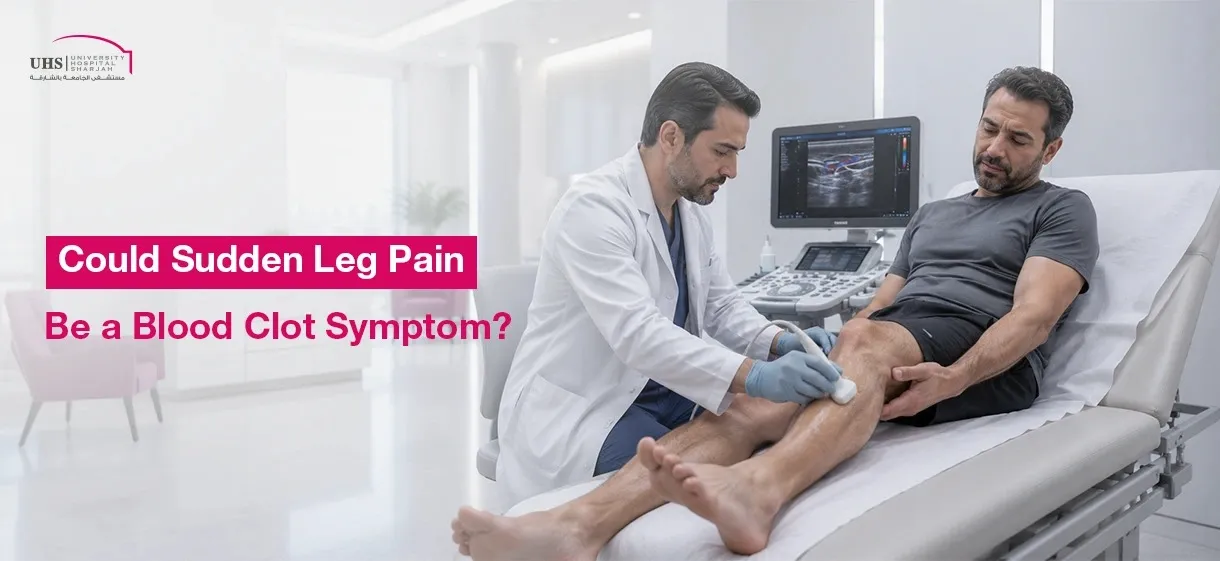
Compression or duplex ultrasound is the main imaging test used to look for DVT in the leg. It uses sound waves to assess the veins and identify whether a clot is preventing the vein from compressing normally or affecting blood flow.
Imaging tests are necessary to confirm DVT or pulmonary embolism because symptoms alone are not specific enough for diagnosis.
D-Dimer Blood Test
A D-dimer test measures a substance produced when blood clots break down.
A normal result can help rule out DVT in appropriately selected low-risk patients, while an elevated result does not prove that a clot is present because many other medical situations can increase D-dimer levels.
Additional Imaging
If ultrasound results are unclear or a clot is suspected in an area that is difficult to evaluate, further imaging may occasionally be required.
For suspected pulmonary embolism, separate imaging tests such as CT pulmonary angiography may be used depending on the clinical situation.
The choice of tests depends on symptoms, clinical probability, medical history, and individual circumstances.
Treatment Options for Leg Blood Clots
Treatment aims to prevent the existing clot from becoming larger, reduce the risk of pulmonary embolism, and help prevent additional clots.
Most people with DVT are treated with anticoagulant medication, although more serious cases may require hospital-based treatment or additional procedures.
Medications and Thrombolytic Therapy
Anticoagulants
Anticoagulants, commonly referred to as blood thinners, are the main treatment for most cases of DVT.
They do not instantly dissolve the clot. Instead, they reduce the blood's ability to form additional clots and help prevent the existing clot from getting larger while the body gradually breaks it down.
The choice and duration of anticoagulation depend on factors such as:
Location of the clot
Cause or trigger
Previous clots
Risk of recurrence
Risk of bleeding
Pregnancy
Cancer or other medical conditions
Thrombolytic Treatment
Thrombolytic medicines actively dissolve blood clots but carry a greater risk of serious bleeding. They are therefore reserved for selected patients with particularly severe or limb-threatening thrombosis rather than routinely used for uncomplicated DVT.
Other Procedures
In selected situations, catheter-based clot treatment or other procedures may be considered.
A vena cava filter may occasionally be used when a patient cannot safely receive anticoagulants. It can help prevent clots from traveling to the lungs but does not prevent new clots from forming, and it is not routinely recommended when blood thinners can be used.
Home Care and Compression Stockings
Many stable patients can receive DVT treatment at home under medical supervision.
Home care may include:
Taking anticoagulants exactly as prescribed
Attending follow-up appointments
Staying appropriately mobile according to medical advice
Watching for symptoms of bleeding
Monitoring for worsening leg symptoms or symptoms of pulmonary embolism
Compression stockings may be considered for symptom relief in selected patients, but they are not routinely recommended for every person with DVT solely to prevent post-thrombotic syndrome. Current hematology guidance recommends against routine use for that purpose.
Patients should therefore use compression only when advised by their healthcare professional rather than purchasing medical-grade compression stockings as a substitute for DVT assessment or treatment.
How to Prevent Recurrent Leg Blood Clots
A person who has previously experienced DVT has an increased risk of developing another clot.
Prevention depends partly on why the first clot developed and may include:
Taking anticoagulants for the prescribed duration
Avoiding missed medication doses
Remaining physically active when appropriate
Avoiding prolonged immobility
Maintaining a healthy body weight
Discussing hormonal medications with a healthcare professional
Following medical advice before surgery or hospitalization
Managing chronic medical conditions
Discussing future travel precautions if clot risk is elevated
The duration of anticoagulation is individualized because some clots occur after a temporary trigger, while others develop without a clear reversible cause or in people with ongoing risk factors.
Prevention Tips for Travel and Prolonged Sitting
Long periods of immobility can slow blood flow through the legs.
During longer journeys or prolonged sitting, practical measures may include:
Getting up and walking periodically when possible
Moving the feet and ankles regularly
Flexing the calf muscles while seated
Avoiding remaining completely still for prolonged periods
Following individualized medical advice if you have a history of DVT
People with previous VTE or multiple clotting risk factors should discuss travel plans with their healthcare provider because additional preventive measures may sometimes be appropriate.
Do not start anticoagulants or medical-grade compression stockings specifically for travel without appropriate professional guidance.
Recognizing Blood Clot Warning Signs
The symptoms of blood clot in leg may include a newly swollen leg, pain or tenderness, warmth, and skin discoloration, particularly when the symptoms affect only one side. However, symptoms alone cannot confirm deep vein thrombosis, and some people with DVT have few or no noticeable signs.
Prompt assessment is important because a leg clot can sometimes travel to the lungs and cause a pulmonary embolism. Sudden chest pain, shortness of breath, coughing up blood, or fainting should always be treated as an emergency.
Seek urgent care if symptoms are concerning, particularly if you develop sudden one-sided leg swelling or any warning signs of pulmonary embolism.
Frequently Asked Questions
First Signs of a Blood Clot in the Leg?
Common early symptoms of blood clot in leg include unexplained swelling, pain or tenderness, warmth, and redness or discoloration.
A particularly concerning pattern is one-sided leg swelling accompanied by pain or warmth, especially when the person has recently undergone surgery, experienced prolonged immobility, traveled for an extended period, or has another risk factor for DVT.
However, DVT can occur without obvious symptoms, and these signs may also result from other conditions. Imaging is needed to confirm a diagnosis.
When Is a Leg Blood Clot Dangerous?
A DVT becomes particularly dangerous if part of the clot travels to the lungs and causes a pulmonary embolism.
Signs such as sudden shortness of breath, chest pain, coughing up blood, rapid heartbeat, severe lightheadedness, or fainting require emergency medical attention.
A large or extensive DVT may also threaten circulation in the affected limb in rare severe cases and requires urgent specialist assessment.
Can a Leg Blood Clot Be Fully Cured?
Many people recover successfully from DVT with appropriate anticoagulant treatment.
The body can gradually break down the clot over time, while anticoagulant medication prevents it from growing and reduces the risk of new clots.
However, recovery differs between individuals. Some people experience complete resolution of symptoms, while others may develop persistent swelling, discomfort, or post-thrombotic syndrome because the affected veins remain damaged.
Follow-up is important to determine the appropriate duration of treatment and monitor for complications.
Can a Leg Blood Clot Recur After Treatment?
Yes. A DVT can recur after treatment, particularly in people with ongoing clotting risk factors or a previous history of venous thromboembolism.
Recurrence risk depends on factors such as:
Why the original clot developed
Whether the triggering factor was temporary or ongoing
Previous episodes of DVT or pulmonary embolism
Cancer
Certain clotting disorders
Adherence to anticoagulant treatment
This is why anticoagulant duration and long-term prevention plans are individualized rather than being the same for every patient.