Vascular and Endovascular Surgery
21 Oct 2026
Varicose Veins in the Legs: Causes, Symptoms, Risk Factors & When to See a Doctor
Reviewed by

Dr. Hamad Al Shbeeb
Specialist Vascular Surgeon
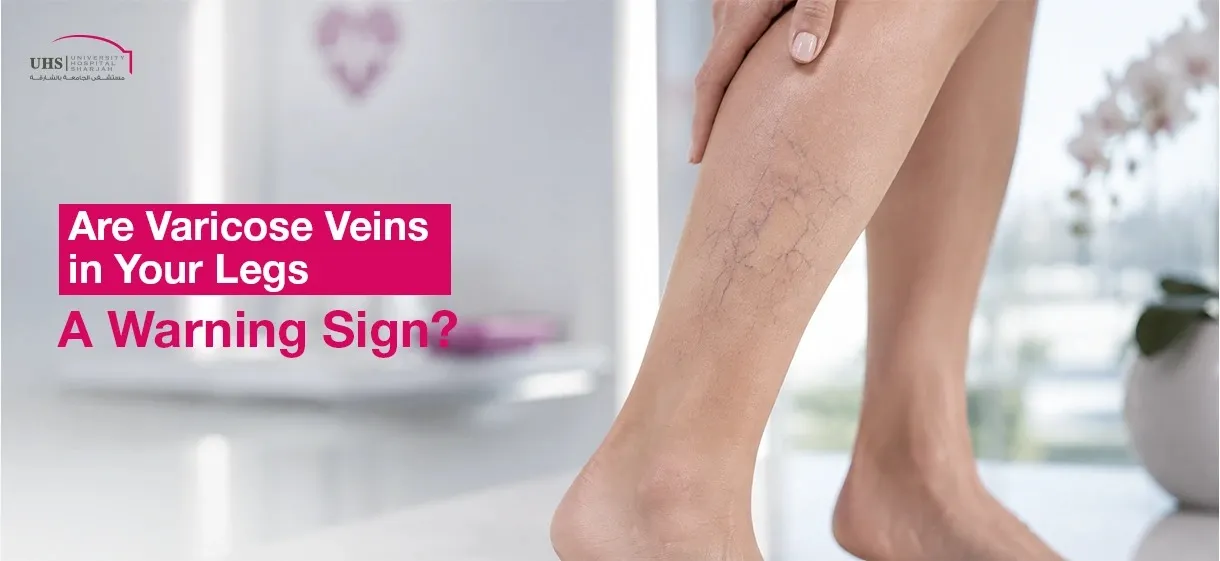
Varicose veins are enlarged, twisted veins that most commonly appear in the legs. They develop when the valves inside the veins do not work effectively, allowing blood to pool and increasing pressure within the superficial veins.
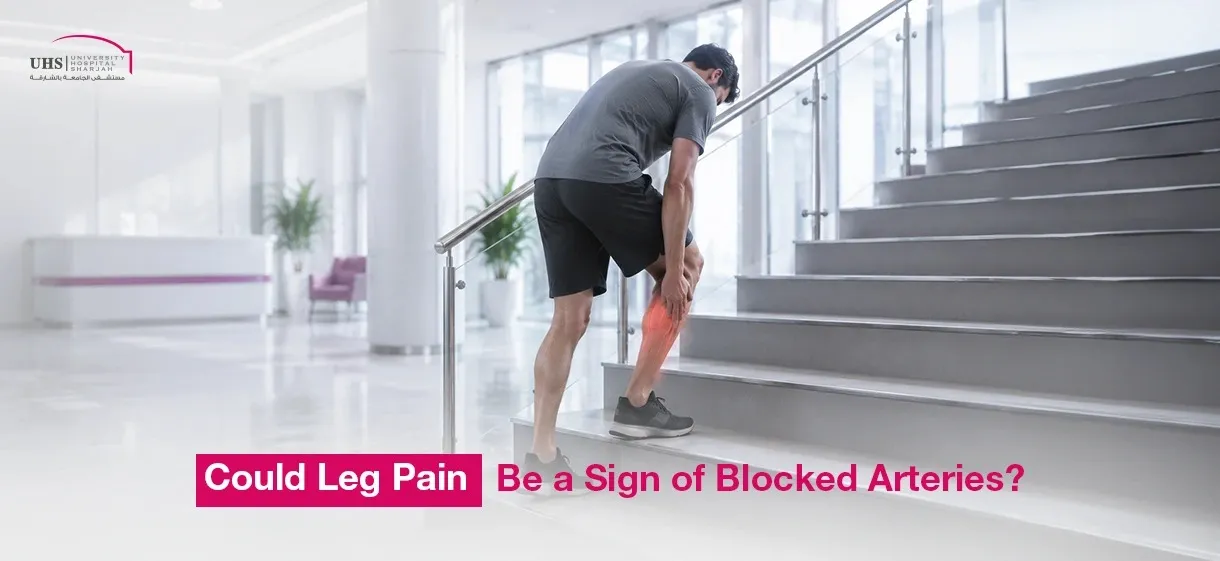
For some people, varicose veins in legs are mainly a cosmetic concern. For others, they can cause aching, itching, swelling, cramping, or a feeling of heavy legs. In more advanced cases, varicose veins may be associated with skin changes, venous ulcers, or chronic venous insufficiency.
Understanding the causes of varicose veins, recognizing symptoms early, and knowing when to see a doctor can help patients receive the right evaluation and prevent complications from being overlooked.
Common Symptoms of Varicose Veins
Varicose veins may appear as blue, purple, enlarged, or twisted veins beneath the skin. Some people have visible veins without significant discomfort, while others experience symptoms that become worse after prolonged standing.
Common symptoms include:
Aching or throbbing pain in the legs
A feeling of heaviness or tiredness
Leg swelling, particularly around the ankles
Burning or cramping sensations
Itching around affected veins
Restless or uncomfortable legs
Skin discoloration around the ankles
Dry or irritated skin
Visible bulging leg veins
Symptoms that worsen after standing for long periods
Relief when the legs are elevated
Small red, blue, or purple veins known as spider veins are different from larger varicose veins. They are usually smaller and flatter and are often mainly cosmetic, although both may occur in the same patient.
What Causes Varicose Veins?
The main causes of varicose veins involve increased pressure within the veins and failure of the one-way valves that normally help blood travel from the legs back toward the heart.
Healthy leg veins contain small valves that close after blood moves upward. If these valves weaken or become damaged, some blood can flow backward and collect in the vein. Over time, this increased pressure can cause the vein to enlarge, twist, and become visible beneath the skin.
Varicose veins may therefore be associated with:
Weak or damaged venous valves
Increased pressure in the leg veins
Genetic predisposition
Aging-related changes in the vein walls
Pregnancy
Excess body weight
Reduced mobility
Previous blood clots
Chronic venous disease
Some patients with more advanced venous valve dysfunction may develop chronic venous insufficiency, in which blood does not return efficiently from the legs. This may cause persistent swelling, heaviness, skin discoloration, itching, and, in severe cases, leg ulcers.
Does Prolonged Standing Cause Varicose Veins?
Standing for long periods does not necessarily cause varicose veins on its own, but it can increase pressure in the veins of the lower legs and worsen symptoms in people who are already susceptible.
People whose occupations require prolonged standing may notice:
Increased aching
Heavier legs
More ankle swelling
More noticeable vein enlargement
Symptoms that worsen toward the end of the day
Prolonged sitting can have a similar effect because the calf muscles are not contracting as frequently to help pump blood upward.
Walking regularly, changing position, and elevating the legs when possible can help reduce venous pressure and improve symptoms.
Risk Factors for Varicose Veins
Anyone can develop varicose veins, but several factors may increase the likelihood.
Common risk factors include:
Age: Vein walls and valves may weaken over time.
Family history: Genetics can play an important role.
Pregnancy: Increased blood volume and pressure from the uterus may affect leg veins.
Overweight or obesity: Additional body weight can increase pressure on the leg veins.
Prolonged standing or sitting: Reduced movement can make blood return from the legs less efficient.
Previous deep vein thrombosis: Damage to deeper veins can contribute to chronic venous problems.
Reduced physical activity: Calf muscle contractions help move blood upward.
Hormonal influences: Pregnancy and hormonal changes may affect vein walls.
Previous venous disease: Existing chronic venous insufficiency may increase the likelihood of visible varicose veins.
Having a risk factor does not mean that a person will definitely develop varicose veins. Multiple factors often contribute.
How to Relieve Varicose Vein Symptoms
Mild varicose vein symptoms can sometimes be improved with conservative measures. However, lifestyle changes do not remove an established varicose vein and should not replace medical evaluation when symptoms are significant or worsening.
Lifestyle Changes and Home Remedies
Measures that may help reduce pressure in the leg veins include:
Walking regularly
Maintaining a healthy body weight
Elevating the legs when resting
Avoiding standing still for long periods
Avoiding prolonged sitting
Moving the ankles and calves during long periods of sitting
Maintaining regular physical activity
Using moisturizer for dry or itchy skin
Avoiding smoking
Walking is particularly useful because contraction of the calf muscles helps pump blood out of the lower legs and back toward the heart.
Compression stockings may also help reduce discomfort and swelling in selected patients. However, the correct type and compression level should be recommended by a healthcare professional, particularly if there is concern about arterial circulation or another vascular condition.
Medical Treatment Options for Varicose Veins
Varicose veins do not always require a procedure. Treatment may be considered when they cause pain, swelling, skin changes, recurrent inflammation, ulcers, bleeding, or significant discomfort.
Options may include:
Endovenous Thermal Ablation
Heat energy is used to close an abnormal superficial vein so that blood is redirected through healthier veins.
Depending on the technique, this may involve radiofrequency or laser energy.
Sclerotherapy
A medication or foam is injected into the affected vein, causing it to close gradually. Sclerotherapy is often used for smaller varicose veins and spider veins, although ultrasound-guided foam techniques may also be used for selected larger veins.
Ambulatory Phlebectomy
Small varicose branches may be removed through tiny skin openings using a minimally invasive technique.
Surgical Treatment
Traditional vein surgery may still be considered in selected patients when minimally invasive approaches are not appropriate.
The most suitable treatment depends on the anatomy of the veins, the source of venous reflux, symptoms, previous treatment, and findings on ultrasound.
When to Seek Medical Evaluation for Varicose Veins
Visible varicose veins do not always require medical treatment. However, they should be evaluated when symptoms become persistent, affect daily activities, or suggest worsening venous disease.
Consider a medical evaluation if you have:
Persistent aching or pain
Increasing leg swelling
Heavy or tired legs that interfere with daily activity
Persistent itching around the veins
Skin discoloration around the ankles
Dry, inflamed, or thickened skin
Recurrent swelling
Tender or inflamed veins
A wound or ulcer that is slow to heal
Varicose veins that have started bleeding
Symptoms such as pain, heaviness, swelling, itching, or skin changes are recognized reasons for specialist assessment.
When Should You See a Vascular Specialist?
A vascular specialist can determine whether symptoms are caused by superficial varicose veins, chronic venous insufficiency, a previous blood clot, or another vascular problem.
Specialist evaluation is particularly appropriate when:
Symptoms continue despite lifestyle changes.
Varicose veins are becoming larger or more painful.
One leg is repeatedly more swollen than the other.
Skin around the ankle becomes brown, thickened, or inflamed.
A venous ulcer develops.
Veins repeatedly become inflamed or tender.
You have a history of deep vein thrombosis.
You are considering a procedure to treat the veins.
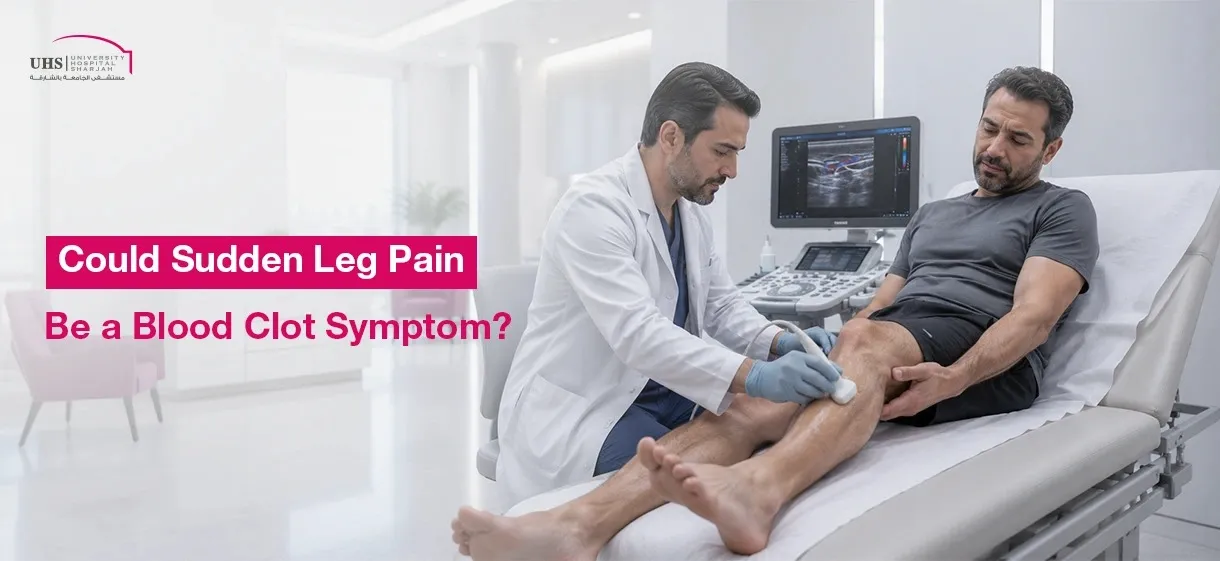
The specialist may recommend duplex ultrasound to assess blood flow and identify abnormal reflux before deciding whether treatment is appropriate.
Complications Requiring Immediate Medical Attention
Seek urgent medical assessment if you experience:
Sudden significant swelling in one leg
New severe leg pain
A warm, red, tender vein
Bleeding from a varicose vein that does not stop
A painful or rapidly worsening leg ulcer
Sudden shortness of breath or chest pain
Sudden leg pain and swelling can indicate a blood clot and should not be assumed to be caused only by visible varicose veins. Deep vein thrombosis can become dangerous if a clot travels to the lungs.
How Are Varicose Veins Diagnosed?
Diagnosis generally begins with a medical history and physical examination.
A healthcare professional may ask about:
Leg pain and heaviness
Swelling
Itching
Previous blood clots
Pregnancy history
Family history
Occupation and prolonged standing
Previous vein procedures
Skin changes or ulcers
The legs may be examined while standing because varicose veins often become easier to identify when gravity increases venous pressure.
Duplex Ultrasound
Duplex ultrasound is commonly used when detailed vascular assessment is required.
The scan can evaluate:
Direction of blood flow
Function of venous valves
Areas of venous reflux
Superficial and deep veins
Possible blood clots
Which veins may need treatment
Specialists routinely use duplex ultrasound to confirm significant superficial venous reflux and plan procedures.
How to Prevent Varicose Veins
It is not always possible to prevent varicose veins, especially when genetics, pregnancy, or aging contribute to their development.
However, measures that support healthy circulation may reduce venous pressure and help limit symptoms.
These include:
Exercising regularly
Walking frequently
Maintaining a healthy weight
Avoiding prolonged periods of standing still
Avoiding prolonged sitting
Changing position regularly during work or travel
Elevating the legs when resting
Avoiding smoking
Managing underlying medical conditions
Following medical advice about compression when appropriate
These measures may help support circulation, but they cannot guarantee that varicose veins will not develop.
Take the Next Step Toward Better Vein Health
Varicose veins are often caused by weakened venous valves that allow blood to pool in the legs. While some cases remain mainly cosmetic, others can progress to persistent pain, swelling, skin changes, or chronic venous insufficiency.
Understanding the causes of varicose veins and recognizing when to see a doctor can help ensure that more significant venous problems are identified early.
Book a consultation with a vascular specialist for a personalized assessment of your varicose veins and leg circulation.
Frequently Asked Questions
What Causes Varicose Veins in the Legs?
Varicose veins in legs usually develop when the one-way valves inside the veins become weak or damaged. This allows blood to flow backward and pool, increasing pressure and causing superficial veins to enlarge and twist.
Age, genetics, pregnancy, excess weight, prolonged standing, reduced activity, and previous venous disease can contribute.
Do Varicose Veins Cause Itching?
Yes. Varicose veins and chronic venous disease can cause itching, particularly around the lower legs and ankles.
Persistent venous pressure can also contribute to dry, irritated, discolored, or inflamed skin. If itching is accompanied by significant swelling, skin thickening, or a wound, medical assessment is recommended.
Are Varicose Veins Related to Heart Health?
Varicose veins are primarily caused by problems with the veins and valves in the legs rather than by the heart itself.
However, leg swelling can also occur with heart, kidney, liver, or other medical conditions. New or unexplained swelling should therefore not automatically be attributed to varicose veins.
A healthcare professional can determine whether the symptoms are related to venous disease or another medical condition.
Can Varicose Veins Cause Blood Clots?
Varicose veins can be associated with superficial thrombophlebitis, in which a superficial vein becomes inflamed and develops a clot.
Deep vein thrombosis is a different and potentially more serious condition affecting the deeper veins of the leg. Sudden one-sided swelling, significant pain, warmth, or redness should be evaluated promptly.
Causes of Varicose Veins in the Legs: When Should You See a Doctor?
You should consider seeing a doctor when varicose veins cause persistent pain, heavy legs, swelling, itching, skin discoloration, recurrent inflammation, or a wound that does not heal.
Urgent assessment is needed for sudden major swelling or pain, uncontrolled bleeding from a vein, or symptoms that could indicate a blood clot.