Obstetrics and Gynecology
04 Oct 2026
Causes of Menstrual Cycle Irregularities: When to See a Doctor
Reviewed by

Dr. Fayez Abokharoub
HOD ,Consultant Obstetrician & Gynecologist
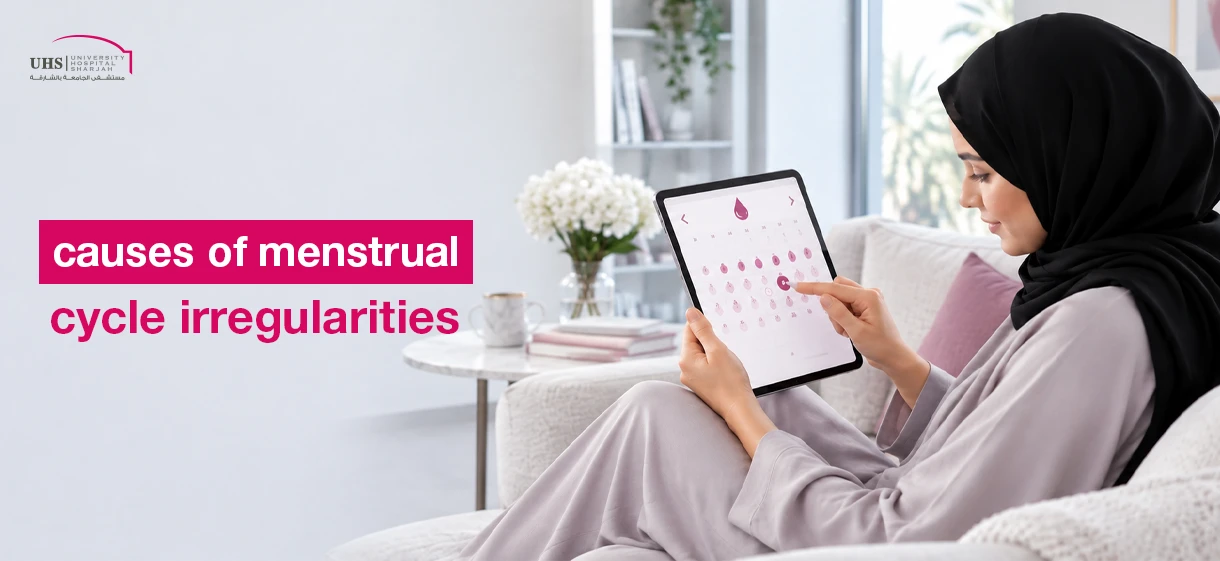
Menstrual cycles do not always occur on exactly the same day each month. Some variation can be normal, particularly during adolescence and the years approaching menopause. However, persistent changes in cycle length, missed periods, unusually frequent periods, or a sudden change from a previously predictable pattern may indicate an underlying hormonal, reproductive, metabolic, or lifestyle-related factor.
The causes of menstrual cycle irregularities vary widely. They can include pregnancy, polycystic ovary syndrome (PCOS), thyroid disorders, elevated prolactin, major weight changes, stress, excessive exercise, restrictive eating, medications, hormonal contraception, and age-related hormonal changes.
Understanding what is normal for your own cycle,and recognizing when that pattern has changed,can help you know when menstrual irregularity needs medical assessment rather than simple observation.
Are you experiencing irregular periods and unsure of the cause? Learn about the possible causes, warning signs that require medical attention, and the steps doctors may use to evaluate your menstrual cycle.
What Are Menstrual Cycle Irregularities?
A menstrual cycle is counted from the first day of one period to the first day of the next. Although 28 days is often described as an average cycle length, healthy cycles do not need to occur exactly every 28 days.
In adults, periods may be considered irregular when the interval between them repeatedly falls outside the expected range, changes substantially from one cycle to another, or differs significantly from the woman's usual pattern.
An irregular menstrual cycle can include:
Periods arriving unexpectedly early or late.
Frequently missed periods.
Long gaps between periods.
Periods occurring unusually close together.
Bleeding that lasts longer than expected.
Changes in menstrual flow.
Bleeding between periods.
The NHS defines irregular periods in adults as cycles occurring less than 21 days or more than 35 days apart, although age and individual circumstances affect how menstrual patterns are interpreted.
Irregular periods do not automatically indicate disease. The significance depends on age, pregnancy possibility, symptoms, medical history, medications, and whether the pattern represents a new or persistent change.
What Can Change the Timing of Your Menstrual Cycle?
The menstrual cycle depends on coordinated communication between the brain, pituitary gland, ovaries, and uterus. Changes affecting any part of this system may alter ovulation and therefore influence when menstruation occurs.
Normal Changes in the Menstrual Cycle
A period does not necessarily arrive on exactly the same calendar date every month.
Occasional variation may occur because ovulation itself does not always happen on precisely the same day. Temporary changes related to illness, travel, disrupted sleep, emotional stress, or changes in routine can also affect cycle timing.
A single slightly early or delayed period is often less concerning than repeated irregularity.
However, a persistent change in a previously regular menstrual pattern should be discussed with a doctor, particularly when accompanied by pain, heavy bleeding, fertility concerns, or other hormonal symptoms.
Age-Related Changes
Menstrual patterns naturally change across different life stages.
During the first years after menstruation begins, hormonal communication between the brain and ovaries is still maturing, so cycles may be less predictable.
Later in life, cycles may become irregular again during perimenopause as ovarian hormone production begins to fluctuate. Periods may become shorter, longer, heavier, lighter, more frequent, or less frequent before eventually stopping at menopause.
Even when age-related changes are likely, abnormal bleeding should not automatically be assumed to be caused by puberty or perimenopause without considering other possible explanations.
The Most Common Causes of Menstrual Cycle Irregularities
The causes of irregular periods range from temporary lifestyle changes to endocrine or gynecological conditions.
Hormonal Imbalances
Regular menstruation depends on appropriate hormonal signaling between the hypothalamus, pituitary gland, ovaries, and uterus.
Changes in estrogen, progesterone, and other reproductive hormones can interfere with ovulation. When ovulation becomes irregular or stops temporarily, periods may become delayed, missed, unusually frequent, or unpredictable.
Hormonal disturbances may arise from several conditions, including:
PCOS.
Thyroid disease.
Elevated prolactin.
Perimenopause.
Primary ovarian insufficiency.
Hypothalamic dysfunction.
Significant nutritional or metabolic changes.
Because hormonal imbalance in women can have many causes, laboratory testing is sometimes required to identify the specific problem.
Polycystic Ovary Syndrome (PCOS)
PCOS is one of the most common hormonal causes of irregular ovulation.
Women with PCOS may experience:
Infrequent periods.
Missed periods.
Unpredictable cycles.
Heavy bleeding in some cases.
Acne.
Excess facial or body hair.
Difficulty conceiving.
Metabolic concerns such as insulin resistance.
PCOS is associated with disrupted ovulation, increased androgen activity, and metabolic changes.
The relationship between PCOS and irregular periods is particularly important because prolonged gaps between periods may mean that ovulation is occurring infrequently.
For women who have symptoms suggestive of PCOS, specialist evaluation may include menstrual history, hormonal assessment, metabolic testing, and ultrasound when appropriate.
PCOS Treatment Methods can then be tailored according to menstrual symptoms, metabolic health, skin and hair concerns, and fertility goals.
Thyroid Disorders
Both an underactive thyroid and an overactive thyroid can affect the menstrual cycle.
Thyroid hormones influence metabolism and interact with reproductive hormone signaling. Thyroid dysfunction may therefore contribute to:
Missed periods.
Irregular cycles.
Changes in menstrual flow.
Fertility difficulties.
Other symptoms such as fatigue, unexplained weight changes, heat or cold intolerance, changes in bowel habits, or altered heart rate may provide additional clues.
Thyroid disease is among the recognized medical causes of menstrual irregularity and amenorrhea.
High Prolactin Levels
Prolactin is a hormone produced by the pituitary gland and is best known for its role in breast milk production.
When prolactin levels become abnormally elevated outside pregnancy or breastfeeding, they can interfere with the hormones needed for ovulation.
This may lead to:
Irregular periods.
Missed periods.
Difficulty conceiving.
Breast milk discharge when not breastfeeding.
High prolactin can have different causes, including certain medications and pituitary conditions, so persistent symptoms usually require medical evaluation.
Insulin Resistance
Insulin resistance is strongly associated with PCOS and can contribute to reproductive hormone disruption.
When the body's cells respond less effectively to insulin, insulin levels may rise. In women with PCOS, this can influence ovarian androgen production and interfere with normal ovulation.
Possible associated features include:
Irregular periods.
Weight-related changes.
Difficulty conceiving.
Increased facial or body hair.
Acne.
Darkened, velvety patches of skin in some women.
However, insulin resistance is not the explanation for every irregular cycle, so assessment should consider the full clinical picture.
Significant Weight Changes
Both rapid weight loss and substantial weight gain can affect menstruation.
Low energy availability or rapid weight loss may reduce signals from the brain that support ovulation, potentially causing delayed or absent periods.
Significant weight gain may also contribute to hormonal and metabolic changes, especially when associated with insulin resistance.
Recognized causes of delayed periods therefore include sudden weight loss as well as being overweight in some clinical situations.
Lifestyle-Related Causes
Menstrual cycles can respond to changes in physical and emotional health.
Factors that may temporarily or persistently affect cycle timing include:
Psychological stress.
Major changes in routine.
Insufficient sleep.
Excessive exercise.
Inadequate calorie intake.
Rapid weight loss.
Eating disorders.
Significant illness.
Lifestyle factors are especially relevant when several occur simultaneously.
Chronic Stress
The reproductive system is sensitive to stress-related hormonal signals.
Significant or prolonged stress may interfere with the hypothalamic signals responsible for regulating ovulation, which can result in a delayed or missed period.
The relationship between stress and delayed periods is well recognized, but persistent irregularity should not automatically be attributed to stress without ruling out pregnancy or other medical causes.
Lack of Sleep
Sleep affects multiple hormonal and metabolic systems.
Occasional poor sleep is unlikely to explain every menstrual change, but chronic sleep disruption can accompany stress, shift work, metabolic problems, or other factors that may affect reproductive health.
If menstrual changes occur alongside persistent fatigue, major sleep disturbance, or other symptoms, a broader medical assessment may be appropriate.
Excessive Physical Activity
High levels of exercise combined with insufficient energy intake can interfere with the hormonal signals needed for ovulation.
This may result in:
Delayed periods.
Infrequent periods.
Complete absence of menstruation.
Excessive exercise is a recognized cause of irregular or absent periods, particularly when accompanied by weight loss or inadequate nutrition.
Restrictive Diets
Severe calorie restriction, eating disorders, or rapid weight loss can suppress normal reproductive hormone signaling.
This can cause menstruation to become irregular or stop altogether.
The issue is not simply body weight; insufficient energy availability can affect reproductive function even before major weight loss becomes obvious.
Persistent menstrual disruption associated with restrictive eating should be medically evaluated because nutritional health, bone health, and hormonal function may all be affected.
Types of Menstrual Cycle Disorders
Menstrual irregularity can present in several ways.
Common patterns include:
Amenorrhea: absence of menstruation.
Infrequent periods: menstrual cycles that occur much farther apart than expected.
Frequent periods: cycles occurring unusually close together.
Heavy menstrual bleeding: unusually heavy or prolonged bleeding.
Intermenstrual bleeding: bleeding or spotting between periods.
Irregular ovulation: inconsistent release of an egg, leading to unpredictable cycles.
Secondary amenorrhea generally refers to the absence of periods for at least three months in someone who previously menstruated, when pregnancy, breastfeeding, or menopause does not explain the change.
Different menstrual patterns have different possible causes, which is why treatment for irregular periods should be based on the diagnosis rather than simply trying to force a predictable cycle.
Can Medications and Birth Control Affect Menstrual Cycle Regularity?
Yes.
Hormonal contraception can intentionally change menstrual patterns.
Depending on the method, women may experience:
Lighter periods.
Irregular spotting.
Less frequent periods.
No menstrual bleeding.
Changes during the first few months after starting a method.
Methods that can alter bleeding patterns include hormonal pills, injections, implants, and intrauterine systems.
Certain non-contraceptive medications can also affect menstruation indirectly through hormone regulation, prolactin levels, blood clotting, or other mechanisms.
ACOG recognizes hormonal contraception and some medications among possible explanations for absent or abnormal periods.
A change in menstrual bleeding after starting a medication should be discussed with a doctor rather than stopping prescribed treatment without advice.
Can Irregular Periods Be a Sign of Pregnancy?
Yes.
Pregnancy is one of the most important explanations for a missed or unexpectedly late period in someone who could become pregnant.
A missed period is often an early sign of pregnancy, although light bleeding or spotting can sometimes occur around early pregnancy.
If pregnancy is possible and a period is delayed, a pregnancy test is usually an appropriate first step.
Medical advice is especially important when a missed period occurs with:
Significant pelvic pain.
Heavy bleeding.
Dizziness or fainting.
Shoulder-tip pain.
A positive pregnancy test with pain or bleeding.
These symptoms may require urgent evaluation.
Causes of Menstrual Cycle Irregularities by Age
The likely explanation for irregular cycles changes across different stages of reproductive life.
Irregular Periods During Puberty
Cycles often vary during the first years after menstruation begins because the hormonal pathways controlling ovulation are still maturing.
However, adolescents should still be medically assessed when menstrual patterns are markedly abnormal.
Evaluation may be needed when:
Periods have not started by age 15.
Cycles become extremely far apart.
Menstrual bleeding is very heavy.
Periods last longer than expected.
Symptoms suggest PCOS, thyroid disease, an eating disorder, or another endocrine condition.
ACOG notes that adolescent menstrual irregularities may be associated with normal maturation but can also result from pregnancy, PCOS, thyroid disease, hyperprolactinemia, eating disorders, excessive exercise, or other conditions.
Irregular Periods During the Reproductive Years
During the reproductive years, common explanations include:
Pregnancy.
PCOS.
Thyroid disorders.
Elevated prolactin.
Stress.
Weight changes.
Excessive exercise.
Hormonal contraception.
Breastfeeding.
Chronic illness.
Persistent cycle changes during these years may also affect fertility when ovulation is irregular.
Menstrual Irregularities Before Menopause
During perimenopause, ovarian hormone production becomes increasingly variable.
Periods may become:
Earlier or later.
Heavier or lighter.
Longer or shorter.
Less predictable.
Perimenopause commonly begins during the 40s, but menstrual changes should not automatically be attributed to menopause without considering other causes such as thyroid disease, high prolactin, fibroids, polyps, adenomyosis, infection, or pregnancy where relevant.
Any bleeding after menopause requires medical evaluation.
Warning Signs of Menstrual Cycle Irregularities You Should Not Ignore
Seek medical advice if:
Previously regular periods become persistently irregular.
Periods repeatedly occur less than about 21 days apart or significantly farther apart than expected.
You miss periods for three months without an obvious explanation.
Bleeding lasts longer than seven days.
You have bleeding between periods.
Menstrual bleeding becomes unusually heavy.
You feel dizzy, faint, weak, or unusually short of breath during heavy bleeding.
Irregular periods occur with pelvic pain.
You have facial hair growth, persistent acne, or unexplained weight changes.
You experience nipple discharge when not pregnant or breastfeeding.
You are having difficulty becoming pregnant.
ACOG advises evaluation when menstrual patterns change significantly, periods are excessively frequent or widely spaced, or bleeding is prolonged or unusually heavy.
How Do Doctors Determine the Cause of Irregular Periods?
The investigation depends on age, symptoms, pregnancy possibility, medical history, and the pattern of menstrual changes.
There is no single test that identifies every possible cause.
Medical History and Menstrual Cycle Tracking
A gynecologist may ask about:
Age at first period.
Typical cycle length.
Date of the last menstrual period.
Frequency of missed or delayed periods.
Duration and heaviness of bleeding.
Bleeding between periods.
Pelvic pain.
Pregnancy possibility.
Contraceptive use.
Medications.
Weight changes.
Exercise.
Diet.
Stress.
Fertility concerns.
Family and medical history.
Keeping a record of several cycles can help identify whether the change represents a consistent pattern.
Hormone Tests
Depending on the symptoms, blood tests may assess hormones involved in ovulation and reproductive function.
Testing may be considered for:
Androgen abnormalities.
Elevated prolactin.
Ovarian function.
Other endocrine disorders.
The exact tests vary according to the suspected diagnosis.
Thyroid Function Tests
Thyroid-stimulating hormone and related thyroid tests may be requested when thyroid disease could explain irregular menstruation.
This may be particularly relevant when cycle changes occur with symptoms such as:
Fatigue.
Weight changes.
Heat or cold intolerance.
Palpitations.
Skin or hair changes.
Ultrasound
Pelvic ultrasound may be used to evaluate the uterus and ovaries.
It may help identify:
Ovarian changes associated with PCOS in appropriate patients.
Fibroids.
Polyps in some cases.
Ovarian cysts.
Other structural abnormalities.
However, ultrasound findings must be interpreted together with symptoms and laboratory results rather than used alone to diagnose every hormonal disorder.
Through Obstetrics and Gynecology Services, patients with persistent menstrual irregularities can receive individualized assessment based on their menstrual pattern, reproductive history, symptoms, and clinical findings.
What Can You Do to Track Your Menstrual Cycle?
Tracking your menstrual cycle can provide useful information for both you and your doctor.
Record Your Period Dates
Record the first day of each period.
The first day of bleeding is considered day one of the menstrual cycle. The cycle ends the day before the next period begins.
A calendar, diary, or period-tracking application can help identify changes in cycle length over several months. The NHS also recommends cycle tracking as a practical way to identify irregularity.
Track Bleeding Duration and Flow
Record:
How many days bleeding lasts.
Whether the flow is light, moderate, or heavy.
Whether you need to change pads or tampons unusually frequently.
Whether you notice large clots.
Any spotting between periods.
These details can help distinguish irregular timing from abnormal bleeding.
Monitor Associated Symptoms
Also note symptoms such as:
Pelvic pain.
Severe menstrual cramps.
Acne.
Increased facial or body hair.
Breast discharge.
Headaches.
Weight changes.
Fatigue.
Changes in bowel or bladder symptoms.
Mood changes.
The combination of menstrual changes and other symptoms may help guide the diagnostic approach.
The Relationship Between PCOS and Menstrual Cycle Irregularities
PCOS is an important cause of chronic menstrual irregularity during the reproductive years.
In PCOS, ovulation may occur infrequently or not occur during some cycles. As a result, women may experience:
Delayed periods.
Missed periods.
Long or unpredictable cycles.
Heavy bleeding after prolonged gaps in menstruation.
Other features can include acne, excess facial or body hair, insulin resistance, difficulty conceiving, and metabolic changes.
Not every woman with irregular periods has PCOS, and PCOS cannot be diagnosed from menstrual symptoms alone.
Evaluation may include menstrual history, signs of androgen excess, blood tests, metabolic assessment, and ultrasound when appropriate.
If PCOS is confirmed, PCOS Treatment Methods may focus on regulating menstrual cycles, protecting the uterine lining, managing acne or unwanted hair, addressing metabolic health, and supporting fertility when pregnancy is desired.
When Should You See a Gynecologist?
Consider booking a gynecological assessment when:
Irregular periods continue for several months.
Your previously predictable cycle becomes persistently irregular.
You repeatedly miss periods.
Pregnancy has been excluded but menstruation does not return.
Bleeding is unusually heavy or prolonged.
You experience bleeding between periods.
Menstrual irregularity is accompanied by persistent pelvic pain.
You have signs of hormonal imbalance such as acne, excess facial hair, or unexplained weight changes.
You are planning pregnancy and cycles are irregular.
You have difficulty conceiving.
You are concerned about a medication or contraceptive effect on your periods.
The goal of assessment is not simply to make periods more predictable. It is to identify the underlying cause and determine whether treatment, monitoring, or further investigation is needed.
Understanding the Cause Is the First Step Toward Appropriate Care
The causes of menstrual cycle irregularities range from normal age-related hormonal changes to pregnancy, PCOS, thyroid dysfunction, prolactin abnormalities, weight changes, stress, excessive exercise, restrictive eating, medications, and gynecological conditions.
Because treatment for irregular periods depends on the underlying cause, there is no single method for how to regulate your menstrual cycle that is appropriate for every woman. A detailed medical history, cycle tracking, blood tests, and imaging when required can help determine the reason for the change and guide appropriate care.
Are you experiencing irregular periods and unsure of the cause? Learn about the possible causes, warning signs that require medical attention, and the steps doctors may use to evaluate your menstrual cycle.
Frequently Asked Questions
When Is a Menstrual Cycle Considered Irregular?
In adults, menstrual cycles may be considered irregular when periods repeatedly occur less than about 21 days apart or more than about 35 days apart, or when the timing varies significantly from the woman's usual pattern.
Age matters, however. Adolescents and women approaching menopause may naturally experience greater variability.
Can Stress Affect Your Menstrual Cycle?
Yes. Significant or prolonged stress can interfere with hormonal signals involved in ovulation, potentially causing delayed, missed, or irregular periods.
However, persistent menstrual changes should not automatically be attributed to stress without considering pregnancy, PCOS, thyroid disease, weight changes, medications, and other possible causes.
Can PCOS Cause Irregular Periods?
Yes. PCOS and irregular periods are closely associated because PCOS can interfere with regular ovulation.
Women may experience delayed periods, missed periods, long cycles, or unpredictable bleeding. Other symptoms may include acne, excess hair growth, difficulty conceiving, and metabolic changes.
When Should You Be Concerned About Irregular Periods?
Medical evaluation is advisable when irregular periods persist, a previously regular pattern changes significantly, periods stop for several months, bleeding becomes unusually heavy or prolonged, or menstrual changes occur with pain, dizziness, hormonal symptoms, or fertility difficulties.